Universal Teachings
In a world of chaos, no one is happy. There are seven Noahide laws which provide guidance for universal religious belief and action.
- Belief in and respect for the Divine. Avoidance of idolatry and cults.
- Not to blaspheme. This expresses the idea that the Deity is aware of human actions and thoughts, and governs existence through Divine Providence.
- Respect for Life. This prohibits murder, assassination and euthanasia.
- Respect for ownership. The prohibition against theft, leading to a sense of mutual trust in society.
- Respect for the Family. This means avoiding marriages and unions between close relatives and also those who are already married, although divorce is possible, and states the avoidance of practices such as adultery and incest which experience has been harmful to marriages and family.
- Respect for all living creatures, which means the prohibition of wanton cruelty to animals.
- Responsibility in society, the will to charity, this implies the setting up of systems of justice and of education, which ensures all these teachings are available and are observed in daily life.
The Hebrew Bible tells of the Flood resulting from the seriously negative behaviour of humanity. Only Noah and his family survived the Flood. This implies a basic moral and religious responsibility. A 5th century Egyptian rabbi named that there are seven Divine Laws, or mitzvot (acts of good), which apply to all humanity, and give a further brief outline.
These are listed below, and grouped definitions of the relationship of human beings with each other, with the rest of existence, and with the Divine.
Maimonides' seven categories and shown here. They are known as The Seven Noahide Laws. Moses Maimonides (a great scholar of the 12th century, also known in Egypt/Israel) those laws are stated that any human being who observes these is considered a Sage, and if he or she observes that they come from the Torah, revealed at Sinai, they are considered to have a portion in the World to Come.
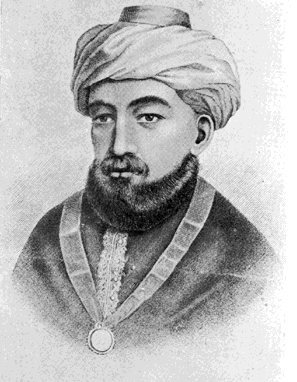
Moses Maimonides (1138-1204)
This idea suggests that every human being has the possibility of goodness and that the world is a Cosmos, whatever religion they follow, including no organised religion.
See how the Noahide laws form a set of values across which individuals and societies can develop and prosper.